2015 · GUATEMALA
The beginning
Legendarios traces its origins to Guatemala in 2015 and founder José “Chepe” Putzu. Its published values emphasize Jesus, family, the local church and accountability. [2]
LEADER LAND
The Legendarios story and the proposed next chapter for Leader Land, with researched sources and clear project status.
LEADER LAND / 01
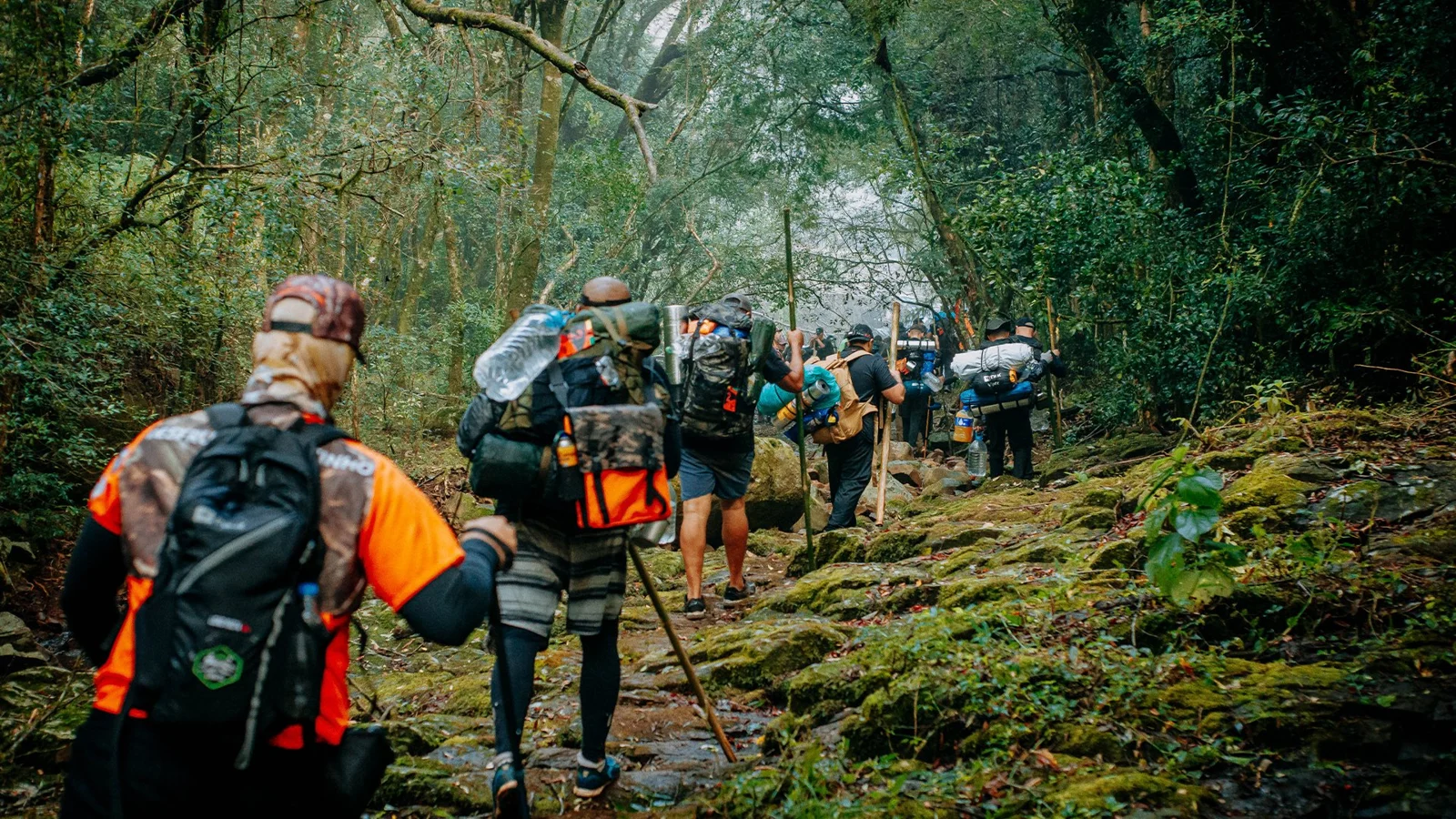
Legendarios traces its beginning to Guatemala in 2015. Its Christian, interdenominational identity invites men to seek Christ, strengthen their families and serve others. TOP experiences are part of that journey; a lasting home could support preparation, leadership formation and the relationships that continue afterward.
Our project team describes more than ten years of gathering in the DeSoto–Arcadia region on leased properties, including the Peace River TOP story and participants traveling from across Florida. This local history is the team’s account. Leader Land’s proposed Florida campus would carry that connection forward while its final location remains unannounced.
LEADER LAND / 02
For this project, “Promised Land” expresses a faith-filled vision of belonging and responsibility. It is a place prepared for people, where worship, hospitality, challenge and rest can live together. It is not a claim that a parcel has been divinely guaranteed or that construction has already been approved.
The ambition reaches beyond a beautiful retreat. We envision a proposed national home for leadership training and coordination, serving a distributed movement rather than concentrating every event in one place. The project team’s short-term movement ambition is 500,000 members within the next one to two years; the longer vision is to reach millions. These are aspirations, not audited membership totals or campus attendance forecasts.
LEADER LAND / 03
The wider Legendarios movement offers a real starting point for this dream. Samaritan’s Purse documents Legendarios volunteers serving Florida homeowners after Hurricane Ian. That example connects the aspiration for preparedness training to an established story of practical service.
Agua para África is another expression of the movement’s outreach. Its official initiative describes a goal of 100 wells; we do not present that goal as 100 completed wells. Leader Land’s proposed role would be to form and equip people for service, while each outside initiative retains its own leadership and accountability.
The story begins with a movement. Leader Land is a proposed next chapter in place-making—not a claim to have founded that movement.
Legendarios traces its origins to Guatemala in 2015 and founder José “Chepe” Putzu. Its published values emphasize Jesus, family, the local church and accountability. [2]
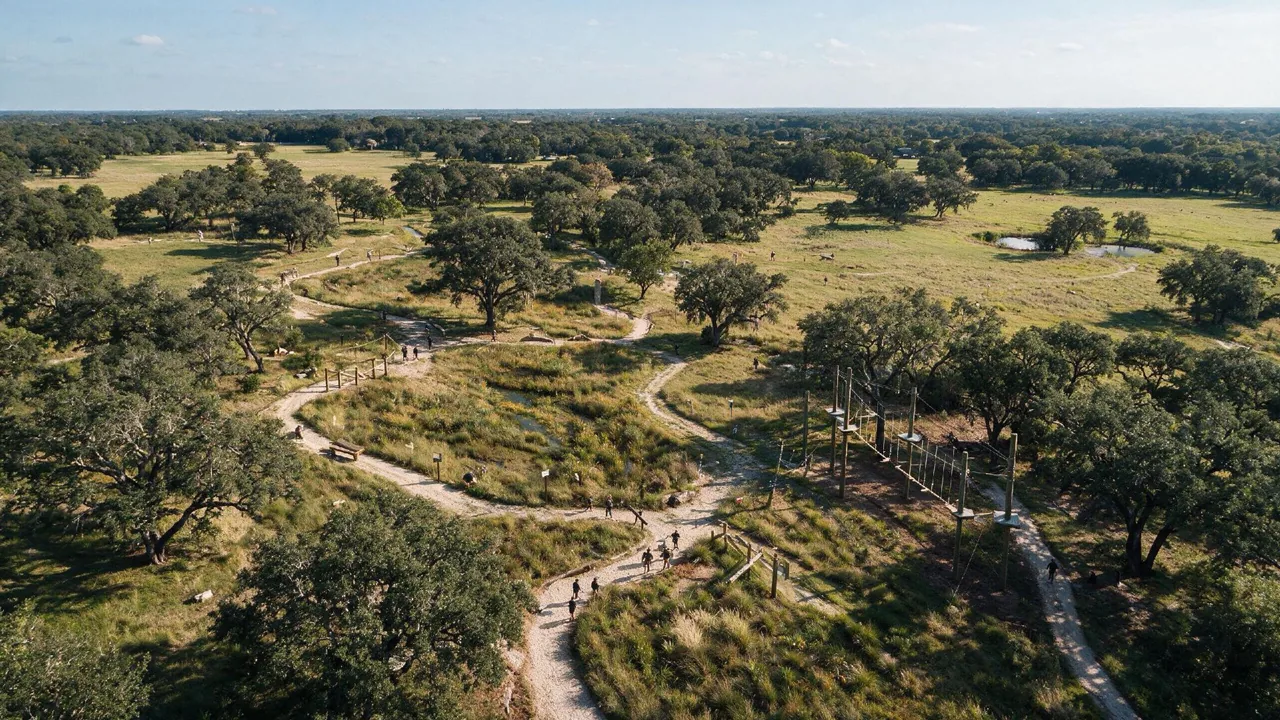
Leader Land imagines a consistent setting for spiritual formation, outdoor experiences, hospitality and service. The campus is a proposal: no property, opening date or approvals are established.
A movement and a property are not the same thing. A purpose-built campus would have to earn its place by helping people and supporting the ministry—not by becoming a monument to itself.
A permanent location could let organizers refine arrival, meals, rest, activity transitions and safety procedures over time. Guests could spend less energy figuring out where to go and more attention on the experience. These are design intentions, not proven efficiencies or a claim that existing venues are inadequate.
In the proposed vision, the auditorium, dining hall, trails, lodging and prayer spaces are not isolated attractions. They form a connected experience. The walk between them matters too: shade, clear directions, places to sit, approachable staff and time to breathe. Good hospitality would begin before a guest enters the main room.